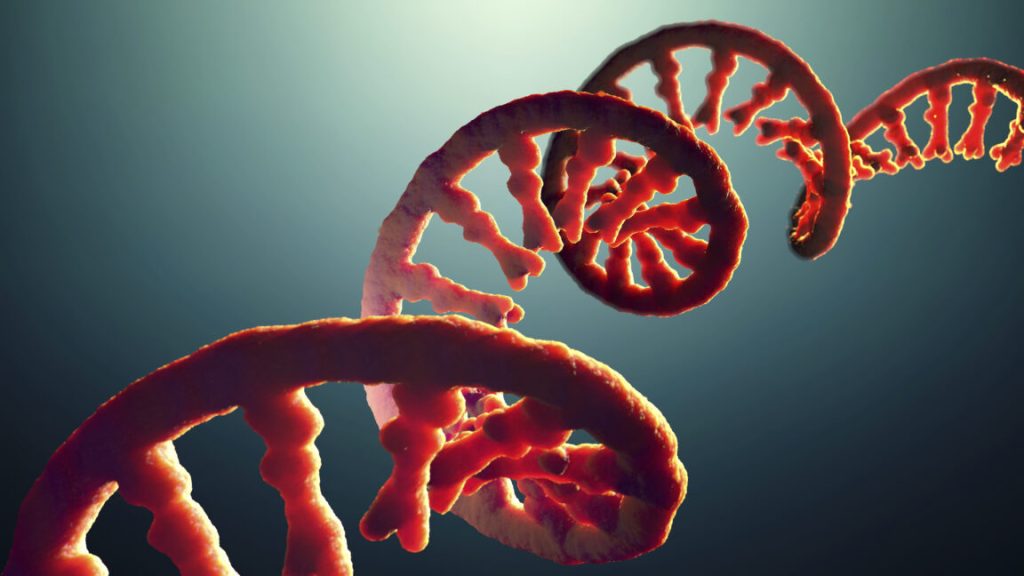
Do you take after your dad’s RNA?
On a bright afternoon in Jiangsu, China, Xin Yin is playing personal trainer to some mice. One by one, he sets the rodents on a miniature treadmill that starts slow and gradually speeds up. These littermates are born athletes, able to run farther with less lactic acid buildup than average laboratory mice.
The secret to their speediness isn’t carried in their genes—the animals come from the same genetic stock as a group of control mice. And they haven’t received any special training. Instead, their fitness seems to stem from their father’s exercise habits before they were even conceived. It’s a finding suggesting that running might benefit not just the exerciser, but also his unborn children.
“I was very surprised when I first saw the data,” says Yin, a biochemist at Nanjing University.
Share this article






Local News View All →

Australia news live: Victorian premier says Angus Taylor’s budget reply out of Trump playbook; Hanson’s Senate speech cut short
May 15, 2026
Angus Taylor accused of ‘dog-whistling’ and marginalising immigrants over plan to cut benefits to non-citizens
May 15, 2026
Jan bought a house worth $1m. Here’s how the CGT changes affect her
May 15, 2026